



Article
Passenger Experience in Aviation: How Airlines and Airports Can Improve It
Customer experience drives business performance in every industry, shaping customer loyalty, retention rates, and brand reputation. In the airline sector, companies that consistently prioritize and enhance the passenger experience have an advantage that makes a difference in a highly competitive market. In our experience, many customers would rather pay more and share personal information if it means getting more personalized, high-quality service.
Today, Simply Contact explores the strategies behind delivering an exceptional airline customer experience. In this article, our team shares the latest approaches to CX and explains the essential factors that make a successful passenger journey. Here you can find out the best options for CX improvement and see how outsourcing can help make it happen.
Why passenger experience matters
Airline customer service is crucial for passenger loyalty, as people are more likely to travel again with a brand that created a positive impression from the flight. A single bad passenger experience may make customers think about switching brands, but with effective customer service, there’s still a chance to fix it and strengthen connections with travelers. Passengers who know a company has their back in difficult situations expect more than issue resolution.
Customers who are happy with their passenger journey can spread the word by recommending the airline company to their friends and families and sharing positive feedback on social media. It helps build a strong and positive brand image, demonstrating that the airline is a reliable and trustworthy travel choice. As a result, it creates a competitive advantage, driving the company to the top of the industry.
The rise in travelers seeking reputable service providers directly affects potential revenue. A positive environment also stimulates passengers to spend more on additional services like dining and local retail in airports and trust airline companies more. For instance, 74% of passengers are ready to share their biometric data if it can speed up the procedure. A positive airline passenger experience can serve as a foundation for continuous service use and, as a result, long-term success.
What is a passenger experience strategy?
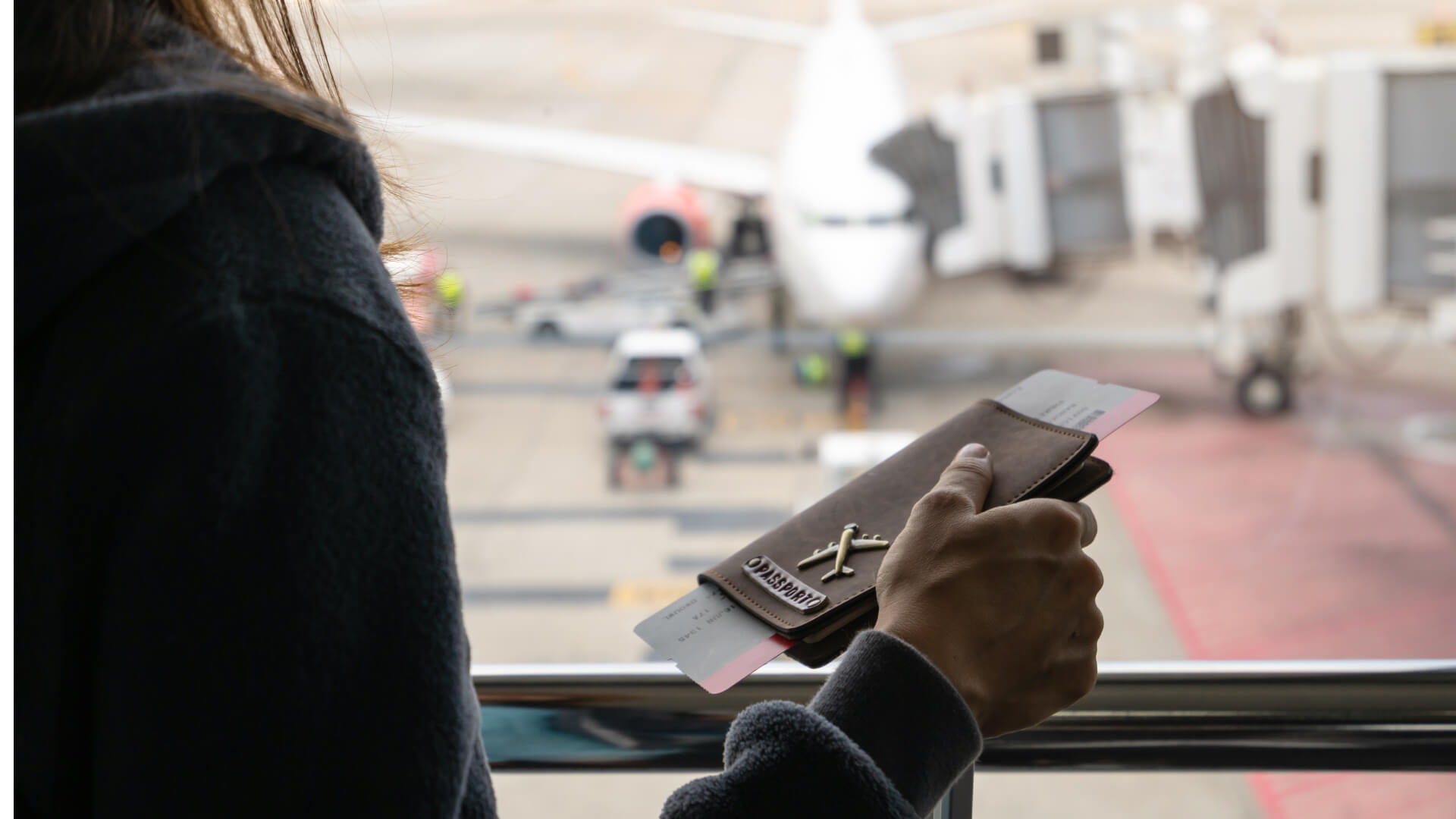
A passenger experience strategy, also known as a PX strategy, is a complex plan for journey optimization. The main goal is to enhance positive traveler impressions at every touchpoint. It covers everything from initial booking to leaving the airport, including possible lost baggage problems.
Match customer expectations
Knowing passengers is essential, as it helps to understand what they may expect from airline services and what they need to make the journey perfect for them. For instance, Zurich Airport started the Sunflower Lanyard initiative in 2025, which includes staff training to recognize passengers who may require additional time, consideration, or assistance. Heathrow Airport extended this program, offering sensory packs containing fidget toys and feelings cards.
Convenience at every touchpoint
During travel, passengers expect easy check-ins and high-quality onboarding service. It includes physical comfort and responsive staff behavior. For a good post-travel impression, we recommend providing customers with easy baggage claim service and ground transportation to enhance the journey's comfort. For instance, Delta Air Lines’ Fly Delta app offers flight booking, digital check-in, maps, baggage tracking, boarding passes, and many other services.
Collaboration
Collaboration across departments is vital for airline operations, as each team ensures the effectiveness of the specific part of the service. External partners, such as airport authorities and transportation services, must also be considered in the plan. For example, Emirates works with Uber to cover ground mobility with integrated booking possibilities for airport transfers and rides.
Core elements of a high-impact passenger experience
If enhancing passenger experience is your goal, you need to understand that PX is shaped by multiple factors across the entire travel journey.
Seamless check-in and security
Speed and security are equally important for a positive impression of an airline company, so consider keeping both as quick and convenient as possible. Self-service options and online check-in can reduce crowding at airport counters and speed up the process. Integration of biometric technologies can also accelerate the effective application of security measures.
Effective communication and clear information access
Travelers need up-to-date information about flights and potential delays, which airports can provide through information displays and multilingual support. Mobile applications with personalized notification features can simplify airport navigation and keep users informed about any updates, from flight times to gate changes. AI-powered solutions like customer service chatbots may provide additional information and support.
Upgraded infrastructure amenities
Charging stations and a stable Wi-Fi connection will make the flight wait more productive and relaxing. High-quality food and lounges for rest can also give travelers a place to unwind between flights.
Consistent and helpful customer service
Well-trained and motivated staff can make every interaction feel respectful and empathetic. Employees empowered to solve passengers' problems can provide faster assistance without additional confirmation from supervisors.
Accessibility by design
Accessibility should be treated as both a passenger-experience priority and a regulatory requirement in EU and UK markets, rather than simply an optional service feature. Accessible websites and mobile apps, clear information, and appropriate assistance services are nowadays the bare minimum.
Health, safety, and sustainability practices
A clean and sanitized environment and an internal policy focused on energy efficiency and other green initiatives can create a positive impression of the company. It may include reduced single-use plastics and similar eco-conscious choices.

Airport passenger experience: the role of technology
Modern technologies enable smart time use and reduce crowding in airport zones. We have prepared a list of the most valuable solutions to consider for companies looking at how to improve passenger experience in airport.
Self-service kiosks
Self-service check-in kiosks give passengers greater control over routine airport processes and their travel. Airline brands can allow passengers to check in, select or change seats, and print boarding passes and baggage tags. In combination with self-service bag drop, these technologies can reduce overreliance on staffed counters and make passenger traffic more efficient.
Ticket dispensing automation
With ticket-dispensing machines, travelers can buy and collect tickets without visiting airport counters. They let passengers move through airline facilities in minimal time and reduce the workload for airport staff. Automation can help reduce counter queues and free employees to focus on passengers who need extra attention and more complex support.
Queue management systems
Digital queue management is one of the most important parts of the airport passenger experience, as these systems can provide estimated waiting times, direct passengers to available service points, and inform when attention is required. If you combine queue data with real-time passenger management, you can identify pain points and allocate resources more effectively.
Mobile apps and real-time updates
Mobile applications make all information available and within arm's reach. For instance, passengers can book tickets there without visiting the airport and check flight status or possible delays. Personalized updates can significantly reduce uncertainty and worries, improving the overall impression of the passenger journey.
How to enhance passenger experience in the air: tools and methods
There are many ways to improve customer experience in the airline industry, but data-driven journey mapping, service design, and passenger feedback can have the greatest impact. If you are seeking how to enhance passenger experience, we recommend considering these three upgrade directions.
AI-assisted passenger journey mapping
A customer journey map helps visualize and control passenger experience at all key touchpoints, including boarding, check-ins, onboard experience, and post-flight support. Artificial intelligence can enhance this process by analyzing large volumes of customer data, such as feedback and behavioral patterns. It may also study operational processes. With advanced insights, airlines can identify pain points more effectively and see what causes negative experiences.
CX methodologies and service design
CX methodologies like journey maps and NPS (Net Promoter Score) enable a better understanding of travelers' preferences and expectations. They help evaluate how exactly passengers perceive airline services and turn insights into practical improvements on digital and physical touchpoints. As a result, airlines can improve services for better customer satisfaction by listening to customers' wishes. For instance, American Airlines offers pre-ordering menus to enable meal selection according to passengers' preferences and needs.
Ongoing research and feedback collection
Listening to passengers' feedback is crucial for those who care about delivering outstanding service quality. You can use surveys and interviews to assess how well the current system works and what the company lacks to attract more customers. Social listening and observation studies can provide additional insight into passenger expectations, helping airlines focus on improvements based on real customers' needs rather than the company’s assumptions.
Enhancing the passenger experience: The role of CX outsourcing
Working with an external partner is one of the most efficient ways of enhancing the passenger experience via extra staff without changing the internal team. Airline passenger demand can grow during holidays, peak travel periods, and unexpected disruptions. CX outsourcing helps airlines scale customer support quickly while keeping service quality during the most challenging times.
Outsourced CX teams can support passengers across multiple channels, including phone calls, chats, email, and social media. Additional agents can help manage high contact volumes and provide timely information about flight cancellations, delays, or missed connections. This is especially valuable during disruptions, when fast and effective communication plays a key role in customer satisfaction.
Multilingual support is another advantage for international airlines that need to serve travelers from diverse regions. Agents who can communicate in multiple languages make assistance more accessible and reduce misunderstandings. For instance, when Simply Contact worked with Wizz Air, our agents handled claims in Polish, German, Italian, French, English, and other languages as needed.
For airports and airlines, outsourcing can also support the airport passenger experience by handling routine tasks, including travel information requests and passenger redirection to relevant services.

Future trends in passenger experience
At Simply Contact, we believe that airport and airline passenger experience will become more personalized, digital, and connected. AI-driven service augmentation enables accurate analysis of customer interactions and preferences, helping airlines deliver more targeted services and anticipate passenger needs. It helps automate routine requests and lets customer service teams focus on more complex issues.
Mobile-first and digital identity solutions will play a larger role in the passenger journey. According to IATA (International Air Transport Association) research, 78% of passengers prefer to use a smartphone combining a digital wallet, digital documents, and loyalty cards to navigate airport procedures. Digital identity and biometric technologies can make processes faster and reduce the number of document verifications. Airlines will have to focus on data privacy even more to build stronger trust among passengers. European passengers are cautious about sharing biometric data, but 42% of those who hesitate may reconsider if privacy is assured.
Accessibility will also become a more important part of the passenger journey, as in the EU, accessibility requirements for relevant transport services, digital interfaces, and electronic ticketing began applying from June 2025.
Sustainability will remain an important factor for airline brand evaluation. We believe that companies will continue to explore smarter energy use, waste reduction, and other environment-focused measures.
Conclusion
The travel industry is constantly growing, and passenger experience is becoming a key factor for airlines. When travelers feel heard, valued, and supported, and their expectations align with service delivery, they know they can rely on the airline company in the future. Modern technologies such as AI, self-service solutions, biometrics, and real-time communication can improve connection with the brand and help you respond to passengers more effectively. At the same time, skilled and trained customer service staff remain a solid foundation for building a positive brand name and strong reputation.
Newsletter
Subscribe
Subscribe to our newsletter to receive valuable industry insights and the latest research reports.