



Article
How Customer Experience Drives Business Growth: A Recipe for Success
Every entrepreneur learns this lesson eventually, usually the hard way: a customer who got a great deal but a frustrating experience won't come back. Price gets people in the door. Customer experience determines whether they stay.
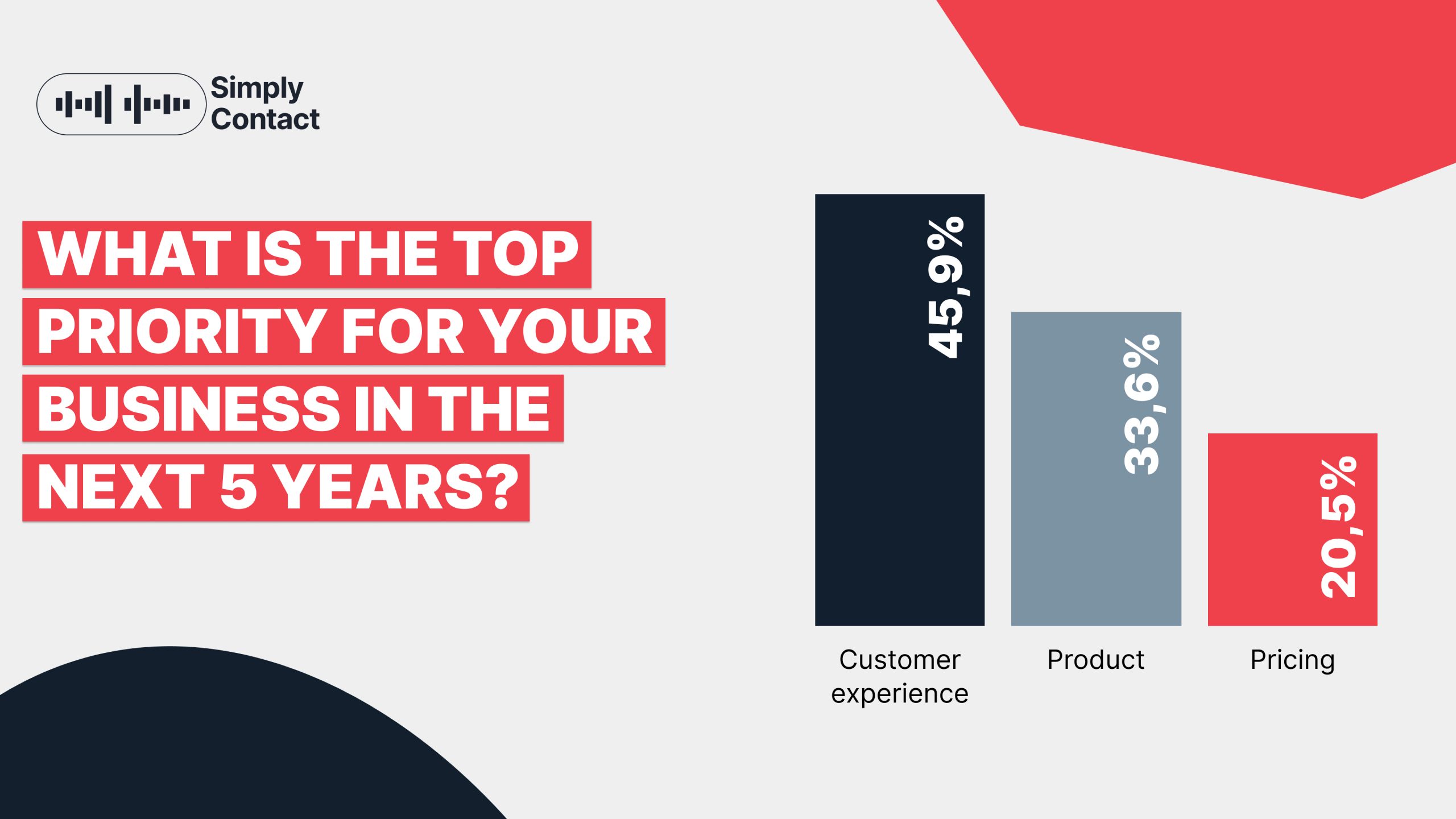
That's why businesses that want long-term growth have repositioned CX from a support function to a core strategy, ranking it above product improvement and pricing optimization. The logic is sound. In a market flooded with similar products at similar prices, the experience a company provides is one of the few genuine differentiators left.
This article breaks down how customer experience drives business growth, how to measure it, what the research actually says, and where the field is heading.
Customer experience statistics that matter
Before diving into the how, consider the scale of the opportunity and the risk.
- 86% of buyers will pay more for a great customer experience. Not marginally more, significantly more. (PWC)
- One bad experience is enough to send 32% of customers to a competitor, even if they previously loved the brand.
- Companies that lead in customer experience outperform laggards by 80% in revenue growth. (Forrester)
- Acquiring a new customer costs five to seven times more than retaining an existing one, which makes improving customer satisfaction a direct lever on profitability.
- The average cart abandonment rate sits at 70%. Most of that friction is an experience problem, not a product problem.
- 87% of customers who had a seamless experience say they'd buy more from the same brand. That's the retention math that makes CX spending easy to justify.
The bottom line: customer experience is essential not as a nice-to-have but as a driver of business growth with measurable impact on revenue, retention, and customer acquisition costs.
Customer experience vs customer service: Understanding the difference
Sometimes, budding entrepreneurs confuse these two notions. They are somewhat similar but quite distinct concepts that relate to each other as parts and wholes.
Customer service is defined as a specific interaction between a client and a brand, usually occurring when consumers of products or services the brand offers have an issue or need assistance. Thus, customer service is all about answering questions, solving problems, and providing support. Customer service is one part of the broader customer experience and can involve human agents, self-service, automation, or a combination of these.
Customer experience is a broader notion. It covers the full scope of client-brand interactions, starting from the moment the potential customer discovers you down to the post-purchase stage, including customer service. Other pivotal elements of customer experience are customer satisfaction, customer relationship management, brand perception and image, communication channels, website user-friendliness, and more.
Why is customer experience important for a business, not just customer service as its component? Because some people may never apply for help from support personnel or automated support tools but they are sure to visit the company’s site, browse through its pages, pick a product they need, pay for it, and hope to receive it as soon as possible. All along this way, they expect to get maximum satisfaction, which is impossible without sounding out their needs, preferences, and pain points. It means businesses should obtain a 360-degree view of their clientele to resonate with them, turning one-time site visitors into loyal customers.
Knowing how customer experience impacts the bottom line, CX specialists go to great lengths to meet customers halfway and understand how satisfied they are with their interaction with the brand. They achieve this understanding by employing specific evaluation techniques.
Gauging the quality of customer experience
Improving customer experience requires measuring it first. Three methods consistently deliver the clearest picture.
Creating customer personas
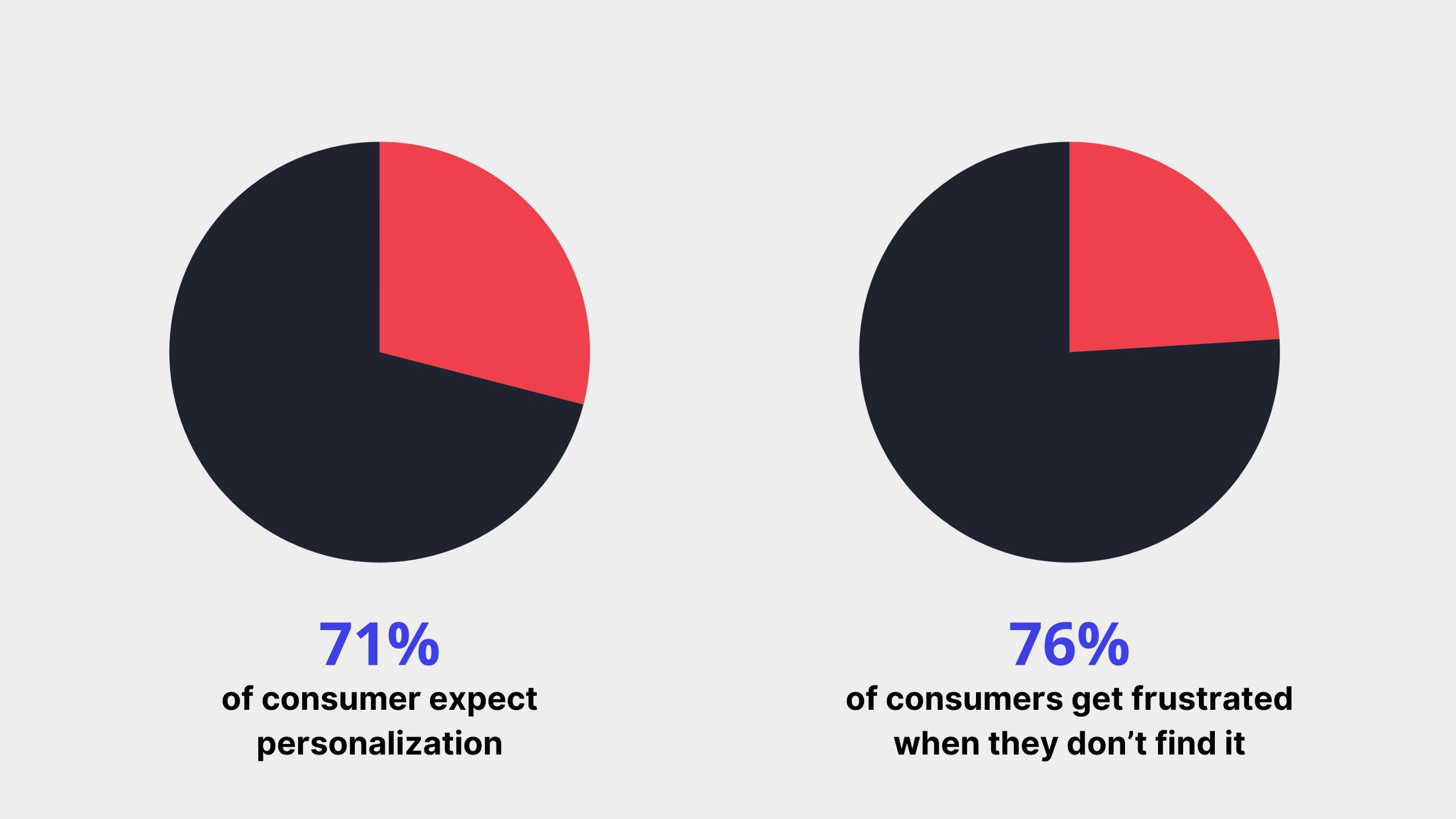
A McKinsey survey found that 71% of consumers expect personalized interactions with brands and an even higher percentage report frustration when they get generic ones instead.
Customer personas are the foundation of personalization: fictionalized but data-grounded profiles of your ideal customers, built from real demographics, income levels, motivations, pain points, and values. With accurate personas, you can tailor product recommendations, messaging, and every interaction with your brand to feel relevant rather than generic. Customers who feel understood are significantly more likely to become loyal customers.
Analyzing customer feedback
Another source of valuable insights into customer experience is client feedback. By sifting through their social media posts, direct communications, and the results of surveys and polls, you can discover what you are doing right and – more importantly – where you fail to meet their expectations. After meticulously analyzing all this information, you can make knowledgeable data-driven decisions and introduce improvements into customer experience areas where your brand underperforms.
The major challenge in this task is the huge volume of data coming from multiple sources. AI and machine-learning tools can help teams process large volumes of customer feedback faster, identify recurring themes, and surface patterns that would be difficult to spot manually.
Customer journey mapping
Journey mapping means visualizing every step a customer takes while interacting with your brand from first awareness through post-purchase. Done properly, it reveals both the friction points customers are hitting today and the ones likely to appear as the business scales.
Each touchpoint on the map is an opportunity: to reduce effort, to remove confusion, or to add a moment that makes customers feel valued. Reducing friction across the journey directly lowers cart abandonment, improves retention, and shortens the path from first interaction to loyal customer.
Satisfying customer experience as an ultimate growth driver
What perks does first-rate CX bring to companies across various verticals?
Higher customer satisfaction
This is one of the clearest links between customer experience and business performance. Reducing friction and improving key touchpoints can increase satisfaction, which in turn supports repeat purchases, stronger retention, and longer customer relationships.
Increased customer retention
Retention is where the economics of CX become undeniable. Happy customers stay. Customers who feel valued don't go looking for alternatives, even when competitors advertise aggressively. A strong customer experience strategy is, at its core, a retention strategy.
Minimal customer churn
No matter how hard you try to keep your clientele, they will leave you anyway. Some may do it for reasons that are totally out of your control, while others do it because they are dissatisfied with the price or quality of your products/services and believe your competitors outstrip you in either of these aspects. Poor CX is another trigger urging them to seek the item they need elsewhere. However, if the customer experience is seamless and enjoyable, 87% of people will stay with the brand and buy more.
Positive brand perception
Brand reputation is slow to build and fast to lose. A pattern of excellent customer experiences builds positive perception; one bad experience shared publicly can undo months of goodwill. Monitoring social platforms and proactively addressing issues before they become public problems is now a core part of managing brand perception.
Unwavering brand loyalty
Strong customer relationships can make customers less likely to switch providers solely because of a competing offer.
Strong brand advocacy
A loyal customer not only keeps coming back for more, but they also advertise and promote your products or services to their family, friends, and colleagues. This referral strategy is considered to be one of the most efficient since 92% of people trust more word-of-mouth recommendations than those received through other channels, especially when they come from their close social environment.
Improved customer lifetime value
Customer lifetime value (CLV) measures the total revenue a customer generates throughout their relationship with a brand. Customer experience can influence CLV by giving customers more reasons to stay, return, and continue buying over time. Effective onboarding, relevant communication, proactive support, and personalized recommendations can all help strengthen the relationship and create more opportunities for repeat business.
High CSAT scores
CSAT stands for customer satisfaction score — another vital KPI organizations strive to increase. It is a numerical representation of a consumer's belief that an enterprise's services or products live up to their expectations. Naturally, the higher it is, the happier your clients are. Their satisfaction is achieved (among other things) by providing an outstanding customer experience.
Boosted sales
Delighted customers’ impact on business is straightforward: They spend more time browsing your site and buy more products. If they are satisfied, the cycle repeats itself, sending your sales indices soaring.
Additional sales opportunities
If people enjoy cooperating with your brand, they are sure to look beyond your core products or services. Thus, they are open to cross-selling and upselling offers, and your marketing team just can’t miss this favorable opportunity to make an extra buck.
Greater revenues
The revenue impact of a strong customer experience compounds: higher retention, more purchases per customer, more upsell conversion, lower acquisition costs. CX-driven revenue growth shows up consistently in the financial performance of companies that treat customer experience as a strategic priority.
Competitive edge
Today, the market in any vertical is full of high-quality products with similar capabilities that their manufacturers sell at affordable prices. All else being equal, the customer experience brands offer becomes a competitive differentiator. By providing a seamless customer journey and displaying to people that you care about them and consider each of them a valuable partner, enterprises can outsell their rivals and carve a greater market share.
Lower expenditures
Better journeys, clearer information, and effective self-service can reduce avoidable contacts and lower the cost of resolving common customer issues.
Satisfied employees
Outstanding customer experience benefits not only your clientele. In an indirect way, it also makes your personnel happier. Companies with greater revenues, a strong position in the niche, a sharp competitive edge, and high-performance KPIs ushered in by satisfied customers report lower employee churn, better workforce productivity, and excellent performance efficiency.
As you see, there are plenty of ways how customer experience drives business growth, so developing and implementing a robust CX-building strategy makes perfect sense. While doing it, you should be aware of current trends in this realm.
How outsourcing can enhance the customer experience
Delivering a consistently excellent customer experience requires expertise, infrastructure, and consistent execution across every touchpoint. For many businesses, building all of that in-house isn't realistic, especially as they scale. That's where outsourcing customer support becomes a strategic asset rather than a cost-cutting measure.
Outsourcing can give businesses access to specialized expertise, flexible capacity, and established support processes without carrying the full fixed cost of an internal operation.
Access to expert support
Outsourced customer support teams bring established processes, trained staff, and proven systems for handling high-volume interactions. Specialist providers can bring established processes, trained teams, and experience from comparable support environments. For growing companies managing rapid increases in customer support volume, that head start matters.
Access to skilled professionals
Customer support for growing companies requires people who can handle complex issues calmly, communicate clearly across cultures, and represent a brand accurately under pressure. Specialist outsourcing partners hire and train for exactly these capabilities, giving businesses access to skilled professionals without the overhead of recruiting and managing them directly.
Flexible scaling for any demand
Customer support volume isn't constant. Seasonal spikes, product launches, and unexpected issues can send ticket volume surging. Outsourced teams can be scaled up or down quickly, without the delays and costs associated with hiring cycles. That flexibility directly supports the goal of enhancing client experience — maintaining quality even when demand fluctuates.
Reduced operational costs
In-house support teams carry significant fixed costs: salaries, benefits, training, infrastructure, management overhead. Outsourcing converts much of that to variable cost tied to actual volume. The savings can be reinvested in other parts of the customer experience: product improvements, self-service tools, or proactive outreach.
Continuous quality monitoring
Reputable outsourcing partners treat quality monitoring as a core function, not an afterthought. Regular audits, customer feedback loops, and performance metrics are built into the engagement. That ongoing measurement ensures the customer experience remains strong over time.
Customer experience trends scrutinized
Let’s analyze the factors and tendencies that condition the CX landscape today and will persist into the foreseeable future.
CX as a competitive differentiator
In most industries' oversaturated product and service market, customer experience can become a game changer in the client hunt and let organizations stand out among other players in their niche. As Gartner claims, five years ago, 81% of businesses competed mostly or exclusively on the basis of CX, and this percentage is likely to have increased by now. That is why companies with big-time aspirations invest heavily in their CX initiatives, focusing on intensive collection and comprehensive customer feedback analysis.
Expansion of omnichannel customer service
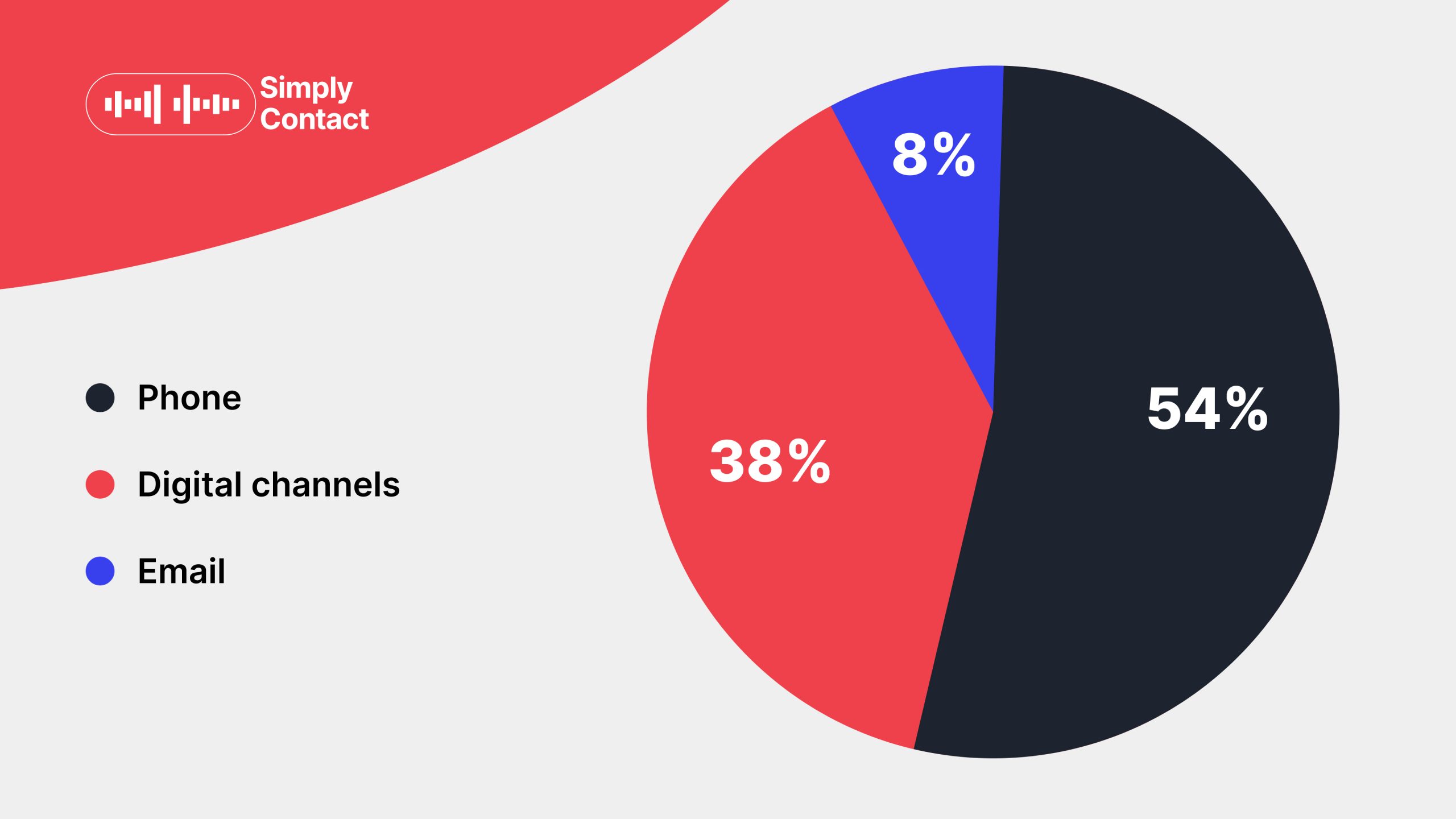
Businesses poised for success should leave no stone unturned in their attempts to reach out to potential clientele across the globe. They should have a robust customer interaction system encompassing professional sites, social media, telephones, emails, live chats, and more. Naturally, it will require the employment of advanced technologies and leveraging real-time language translators (for companies operating on an international scale), but all these efforts and expenditures will pay off ultimately.
Mobile experience remains essential
For companies that offer products and services to the global audience of smartphone users, ignoring their mobile experience is a surefire recipe for failure. As a survey reports, a poorly designed mobile version of a site is a valid reason for 57% of people to recommend their environment to stay away from it. If you want to enter the major league of business, you should optimize your digital footprint to perform equally well on desktop and mobile.
Customers expect effective self-service
Two-thirds of customers prefer self-service options if they need help or have some issues with the product. Living up to this call of the times, companies increasingly include self-service functionality in their site’s customer support section. Given the multitude of tasks and queries it is meant to handle, it should leverage innovative AI-fueled technologies in customer support to bring maximum value to users and business owners.
Immediate response matters
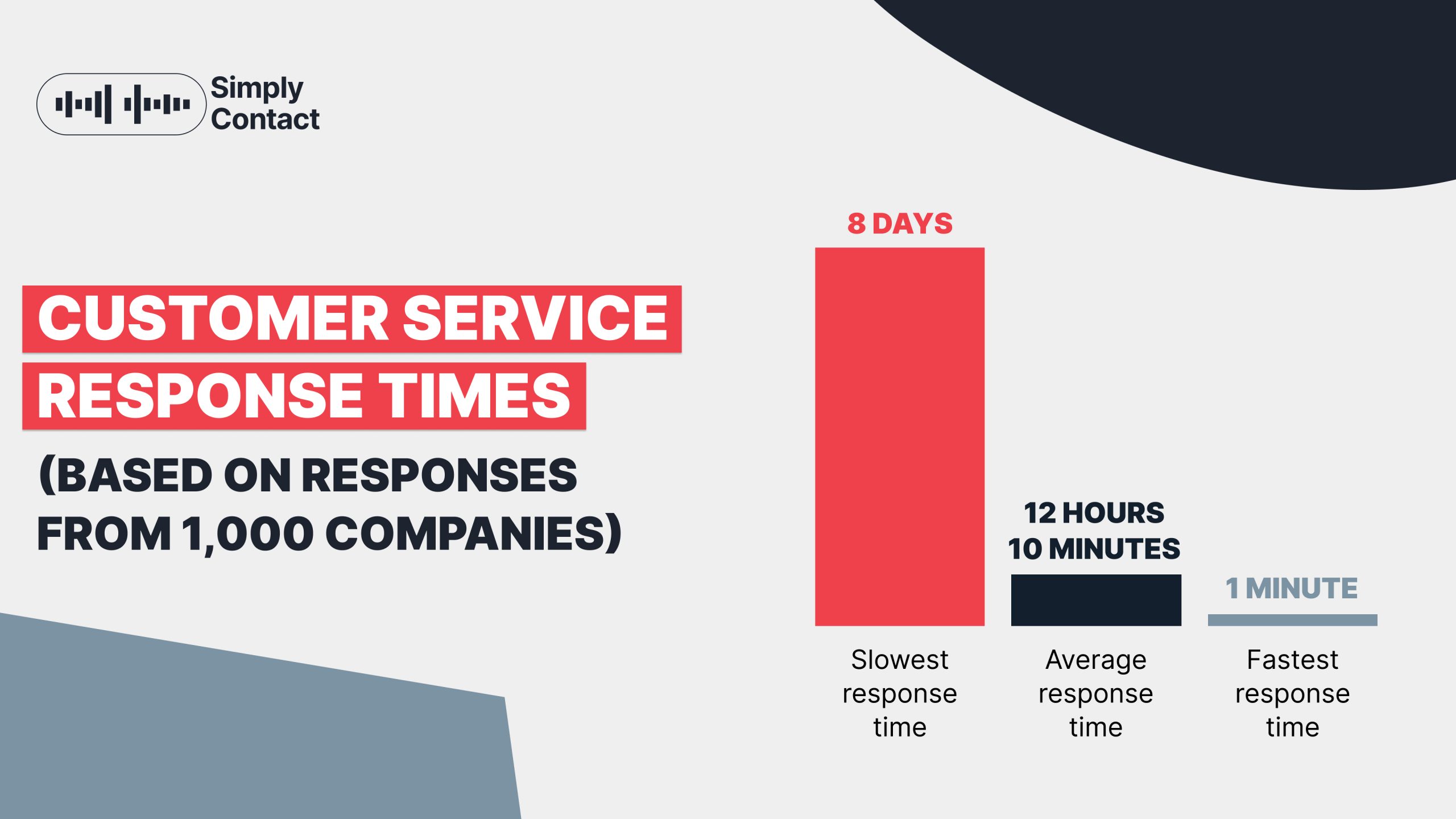
On average, companies take around 12 hours to respond to customer service emails. Long response times create unnecessary friction, especially when customers need help to complete a purchase or resolve an urgent issue. The longer they wait, the more likely they are to become frustrated, abandon the interaction, or look for an alternative provider. Fast, reliable responses are therefore an important part of a strong customer experience.
Move ahead of the curve
You may not worry about minimizing your response time if you don't have to respond. And it can happen when you anticipate possible reasons for customers to contact you and adopt a proactive strategy in providing support. And this is what 85% of customers expect, in fact. In such a way, you will solve issues before they become problems and nip adverse developments in the bud.
Evidently, providing a first-rate customer experience is a tough row to hoe that requires the joint effort of multiple teams within your workforce. If one of them lacks experience or qualification, the result will be substandard. However, you can always make up for a deficit of competent staff by outsourcing your support service, which is the mission-critical element of customer experience.
AI in customer experience: finding the right balance
AI has changed what's possible in customer experience and the changes are accelerating. The question for most businesses is no longer whether to use AI in CX, but where to use it and where to keep humans in the loop.
The case for AI in customer support is clear: it handles high-volume, repetitive interactions faster and more consistently than human agents. It scales instantly, operates around the clock, and can process customer data at a speed no team can match. For straightforward queries AI-powered tools deliver faster resolution and lower costs.
But AI has real limits. Do people pay more for better customer service? Yes, and the quality of human connection is part of what they're paying for. When a customer has a genuinely complex problem, or when they're frustrated and need someone to actually listen, a scripted bot is worse than no response at all. The same applies to high-stakes interactions: a customer considering a significant purchase, or one who's had a bad experience and is close to churning, needs a human response.
How does the customer experience impact the company when AI gets this balance wrong? Badly. AI that frustrates customers at critical moments accelerates churn rather than preventing it. The metric to watch is a customer satisfaction at each stage, regardless of who handled it.
The practical approach: use AI to handle volume, speed, and availability at scale. Use humans to handle complexity, emotion, and relationship. Build clear handoff protocols so customers never feel trapped in an automated loop when they need real help. The best CX deployments treat AI and human agents as a system, not a competition.
Summing up
Customer experience is shaped by every interaction a customer has with a brand, from initial discovery to post-purchase support. When those interactions are clear, consistent, and easy, they can strengthen satisfaction, retention, loyalty, and long-term customer value.
Improving CX starts with understanding what customers actually experience. Customer feedback, journey mapping, and well-defined customer profiles help businesses identify friction, improve key touchpoints, and focus resources where they have the greatest impact.
As products and services become easier to compare, experience increasingly influences why customers stay, return, or switch providers. Treating CX as a company-wide priority rather than a responsibility limited to customer service helps businesses build stronger relationships and support sustainable growth.

Newsletter
Subscribe
Subscribe to our newsletter to receive valuable industry insights and the latest research reports.